For decades, patients diagnosed with severe lumbar or cervical disc bulges were told that spinal surgery was their only real recourse. However, modern advancements in non-surgical spinal decompression technology have revolutionized how we treat herniated discs today.
The Anatomy of a Herniated Disc
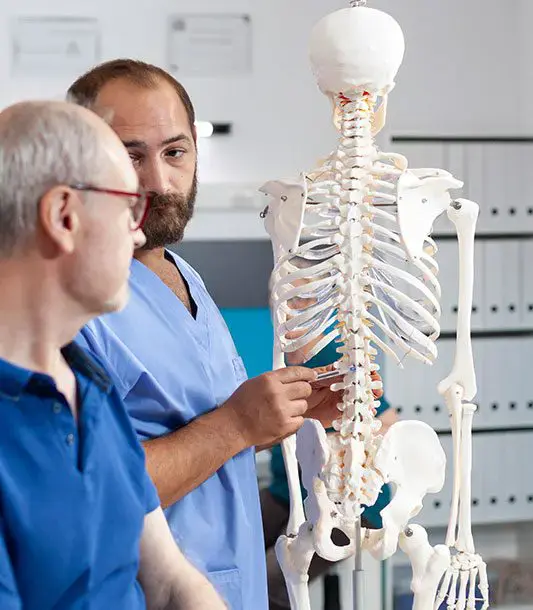
Between each vertebra of the spine sits a cushion-like fibrocartilage disc filled with a gelatinous center (nucleus pulposus). When chronic postural strain or sudden trauma tears the outer disc wall (annulus fibrosus), this jelly material squeezes outward. This protrusion can compress adjacent spinal nerves, sending excruciating shooting pain down the leg or arm.
How Spinal Decompression Creates Healing Vacuum
Traditional traction pulls continuously, which often causes the back muscles to seize up in a protective reflex, increasing pressure inside the disc. Modern computerized spinal decompression, on the other hand, utilizes sensitive feedback sensors to gradually distract the spine at precise algorithmic angles.
This creates a powerful negative intra-discal pressure (vacuum effect) inside the damaged disc space. This vacuum accomplishes two vital goals:
- It physically draws retracted protruding disc material back inside the disc boundary.
- It pulls fluids, oxygen, and vital nutrients into the disc to accelerate cellular repair.
Clinical Results in Nashik
At Dr. Shukla Advance Spine Care in Nashik, hundreds of patients suffering from debilitating disc disease have experienced long-term recovery without undergoing surgery. Coupled with core stabilization, non-surgical decompression restores active mobility safely and effectively.

Dr. Atharva Shukla (PT)
MPT Ortho & Sports | PG Diplomate in Chiropractic & Osteopathy (UK) | ACE Certified (USA)
Leading non-surgical spine care specialist in Nashik with branches at Panchavati & Ashok Stambh. Specializing in spinal decompression, sciatica eradication, and precision chiropractic adjustments.